




















Buyer Guide · 10 min
Cold-Weather Layering: When the Base Layer Earns Its Job
April 26, 2026 · Victory Theory Team
There is one rule that every cold-weather sport relies on: three layers, each doing one job. Base layer manages moisture next to skin. Mid-layer manages insulation. Outer layer manages weather. When any of those layers fails its job, the others can't compensate, and you end up either soaked or frozen.
Most first-time cold-weather buyers overdress on day one (warm) and freeze on day three (still warm but now wet). Here is what each layer is actually for and which fabrics earn their place.
Base layer: moisture management
The base layer's job is to move sweat away from your skin to the next layer where it can evaporate. It is not for warmth. The two fabrics with strong evidence are:
- Merino wool. Naturally antibacterial, holds warmth when damp, doesn't get smelly across multi-day trips. Slow to dry compared to synthetics. Most cited weights are 150, 200, and 250 grams per square meter; 200 is the most versatile starting point.
- Synthetic technical fabrics (polyester, polypropylene). Faster wicking, faster drying, cheaper per garment. Smell development is the main downside; multi-day backcountry trips can become unpleasant.
Cotton has no place in a cold-weather base layer. Cotton holds water against the skin, drops to ambient temperature, and turns into a refrigerator. The phrase 'cotton kills' exists for a reason.
Mid-layer: insulation
The mid-layer traps body heat between you and the outer shell. The right amount of mid-layer depends on activity intensity (ski touring uphill needs less; chairlift skiing needs more) and temperature.
- Fleece (polyester pile). Cheapest, most breathable, dries fast. Not warm-for-weight compared to down.
- Down (typically 600 to 850 fill power). Warmest for the weight when dry. Loses most insulation when wet, so usually paired with a water-resistant or waterproof outer layer.
- Synthetic insulation (PrimaLoft, Coreloft). Less warm-for-weight than down but holds warmth better when damp. Useful as a mid-layer in mixed conditions where you might sweat through.
Outer layer: weather
The outer layer is the hard shell or soft shell that keeps wind, snow, and rain off the warmer layers underneath. Two specs matter:
- Waterproofing rating, measured in millimeters of water column. 10,000 mm is enough for most resort skiing and snowboarding. 20,000 mm and up is for extended exposure to wet conditions or backcountry travel.
- Breathability, measured in grams per square meter per 24 hours. 10,000 g is acceptable for chairlift skiing. 20,000 g and up matters for ski touring or any activity where you generate heat uphill.
Soft shells trade waterproofing for breathability and stretch. Hard shells are the opposite trade. Most resort skiers and snowboarders are best served by a hard shell. Backcountry skiers and ski tourers often carry both, switching based on weather.
The day-one overdress problem
First-time cold-weather sports participants almost always overdress on day one. They start cold at the trailhead, add insulation, and 30 minutes into the activity they are sweating through their base layer. By day three, the base layer is wet, the mid-layer is damp, and the cold has caught up.
The fix is to start slightly cold. If you are warm at the parking lot before you start moving, you are dressed for after the activity, not during it. The first 10 minutes of any cold-weather aerobic activity should feel underdressed; once you start moving, your output catches up.
What we stock
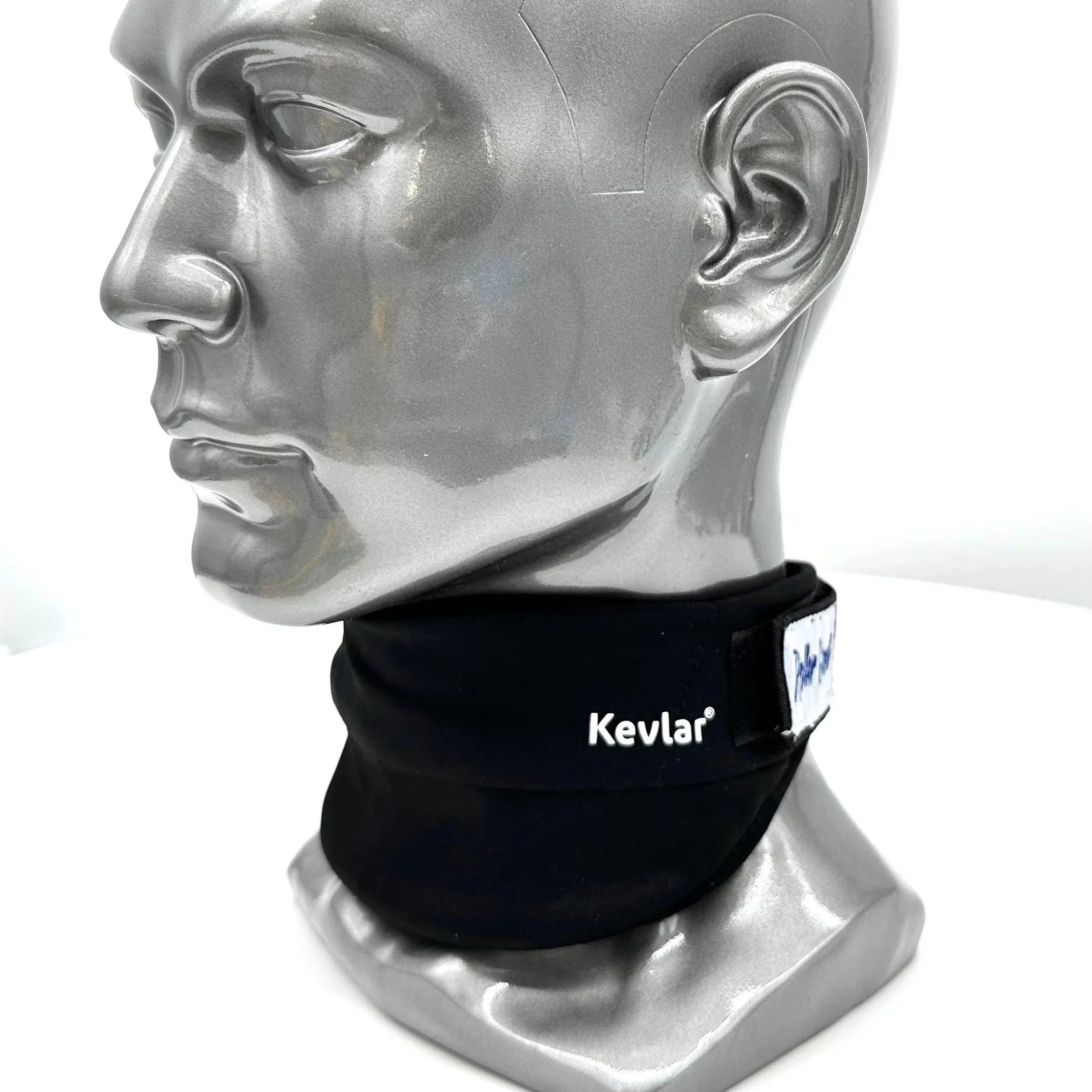
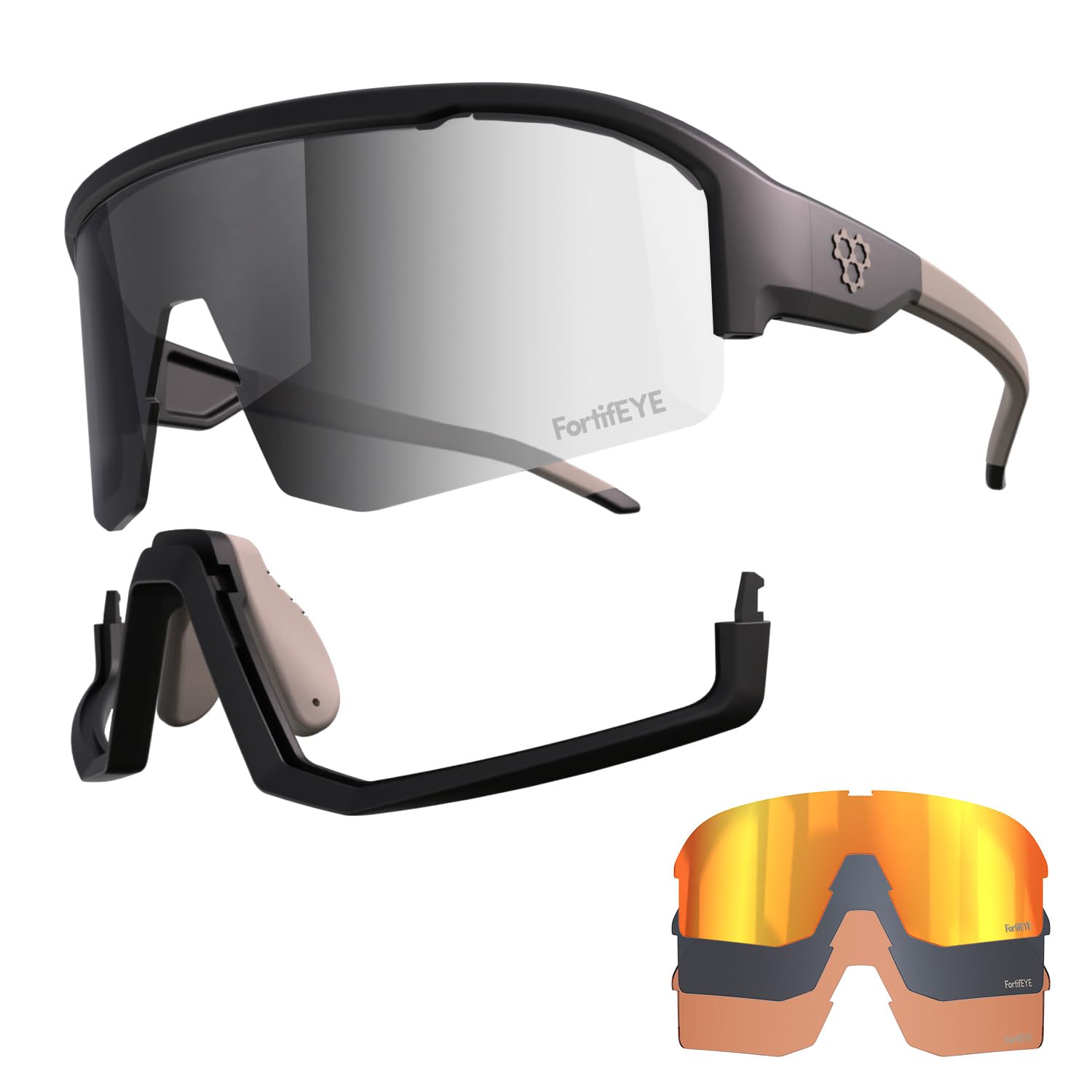
Victory Theory carries base layers (merino and synthetic), mid-layer fleece and synthetic insulation, gloves and mitts, helmet-compatible neck gaiters and balaclavas, and the goggles that go over them. Hard shells, soft shells, and ski-specific outerwear live with specialty fitters who can match cut and length to your sport. We sell the soft goods that go under the shell and the ones that go over the helmet.
If you are buying your first cold-weather kit, prioritize the base layer first, the mid-layer second, and the gloves third. The shell is the most expensive piece and the easiest to borrow or rent for your first few sessions.
More from the Journal