






















Buyer Guide · 11 min
Triathlon Kit From Scratch: A Buy-Once-Cry-Once Guide
April 26, 2026 · Victory Theory Team
Most first-time triathletes show up with too much gear or the wrong gear. The catalogs make every category look essential. They are not. There are 12 items that meaningfully change your day, four that are optional, and a clear order to buy them in if you are working with a real budget.
This guide is for sprint and Olympic distances. Half-Iron and full Iron-distance racing changes some priorities, but the foundation is the same.
The 12 items that matter
In rough priority order, this is the kit that earns its place on race day for most first-time triathletes:
- Tri suit (one-piece). The single most useful piece because it works for all three legs without changing. Sized snug across the torso. Cycling-jersey logic applies.
- Goggles that fit. Not the brand. Not the price. Whichever shape seals against your face without leaking. Buy two pairs (clear and tinted) for variable race-day conditions.
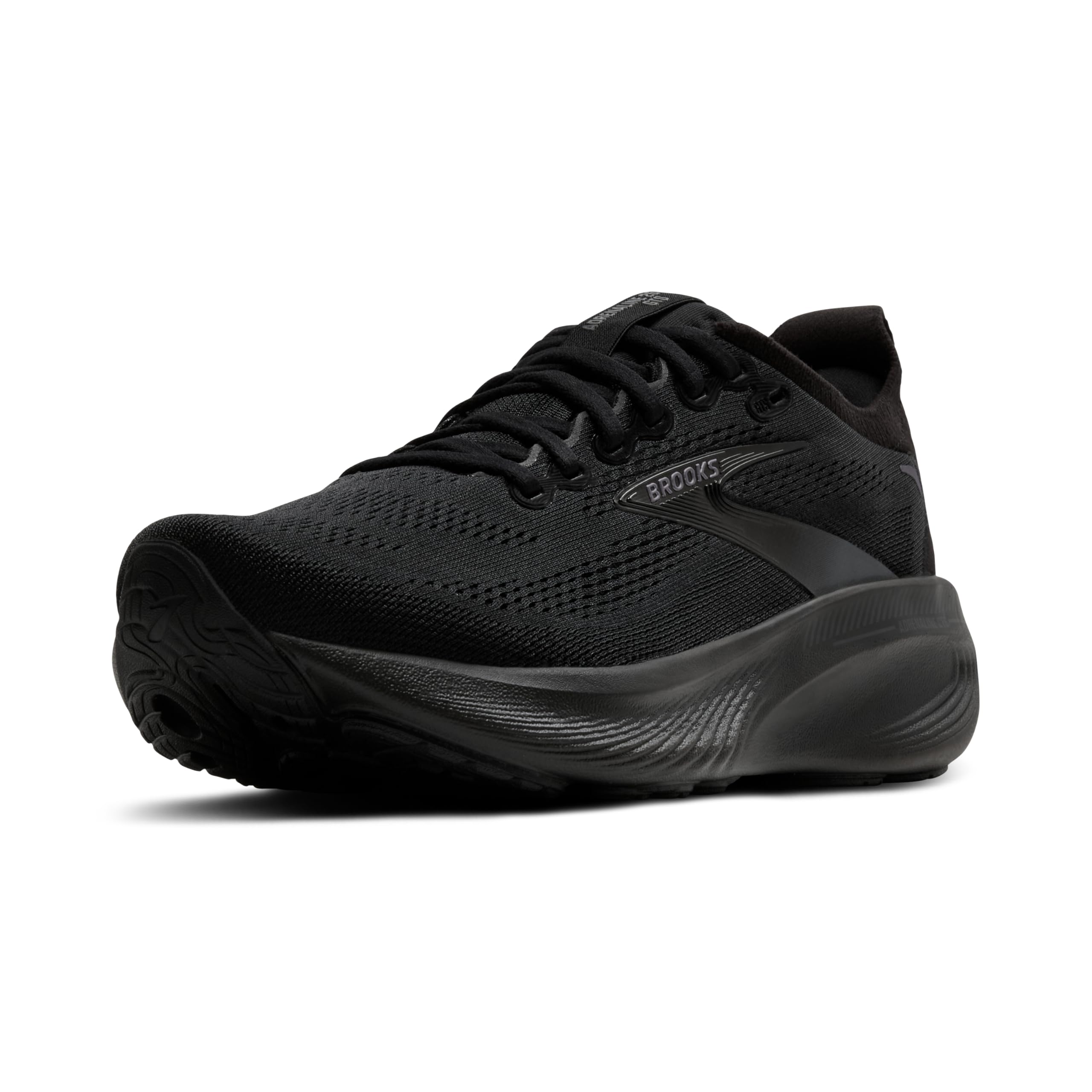
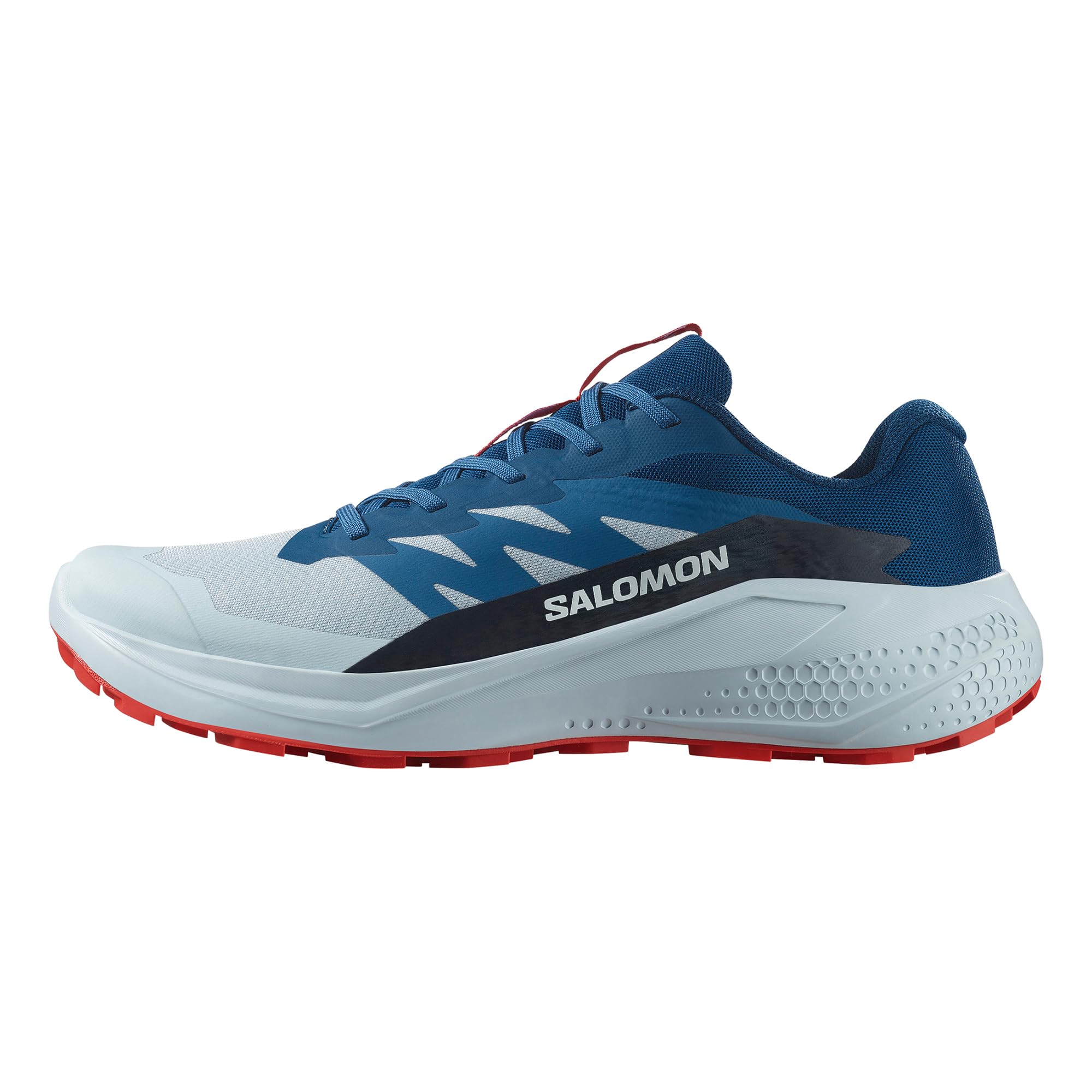
- Running shoes you already train in. Race day is not the day to break in new shoes. Use what you have logged miles in.
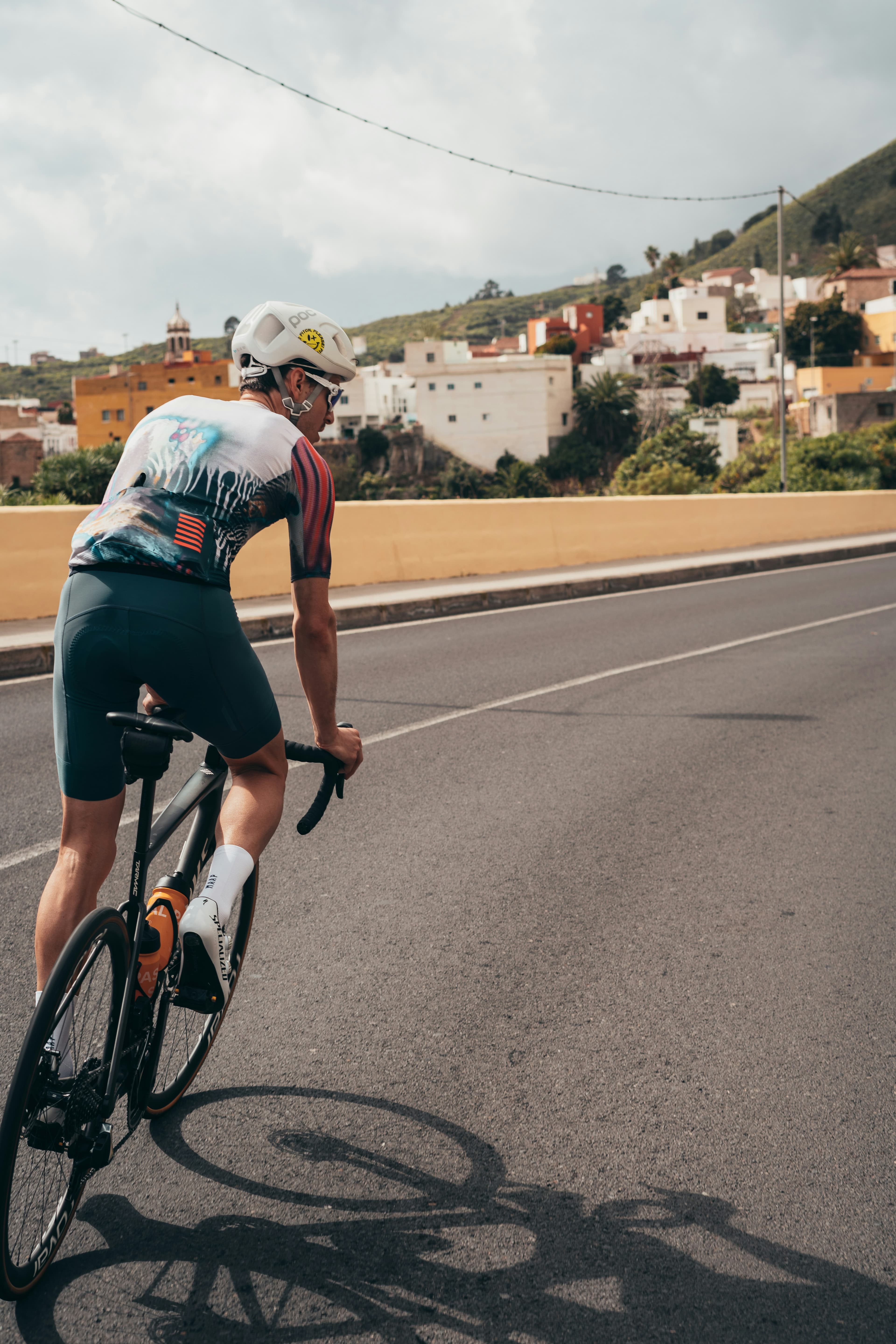
- A road or tri bike that fits. Bike fit matters more than the bike itself for short-course racing. A reasonable road bike that fits beats a TT bike that doesn't.
- A helmet that meets CPSC and is not expired. Replace any helmet older than 5 years or that has taken an impact.
- Cycling shoes and pedals that match. SPD-SL, SPD, and Look Keo are not interchangeable. Buy them as a system.
- A race belt for your bib. Saves a minute and a torn shirt at T2.
- A swim cap (often provided by the race) and a clear visor for the bike.
- Body glide or anti-chafe stick. The first time you don't use one, you will regret it.
- Two water bottles for the bike, one with electrolytes mixed for the duration of the bike leg.
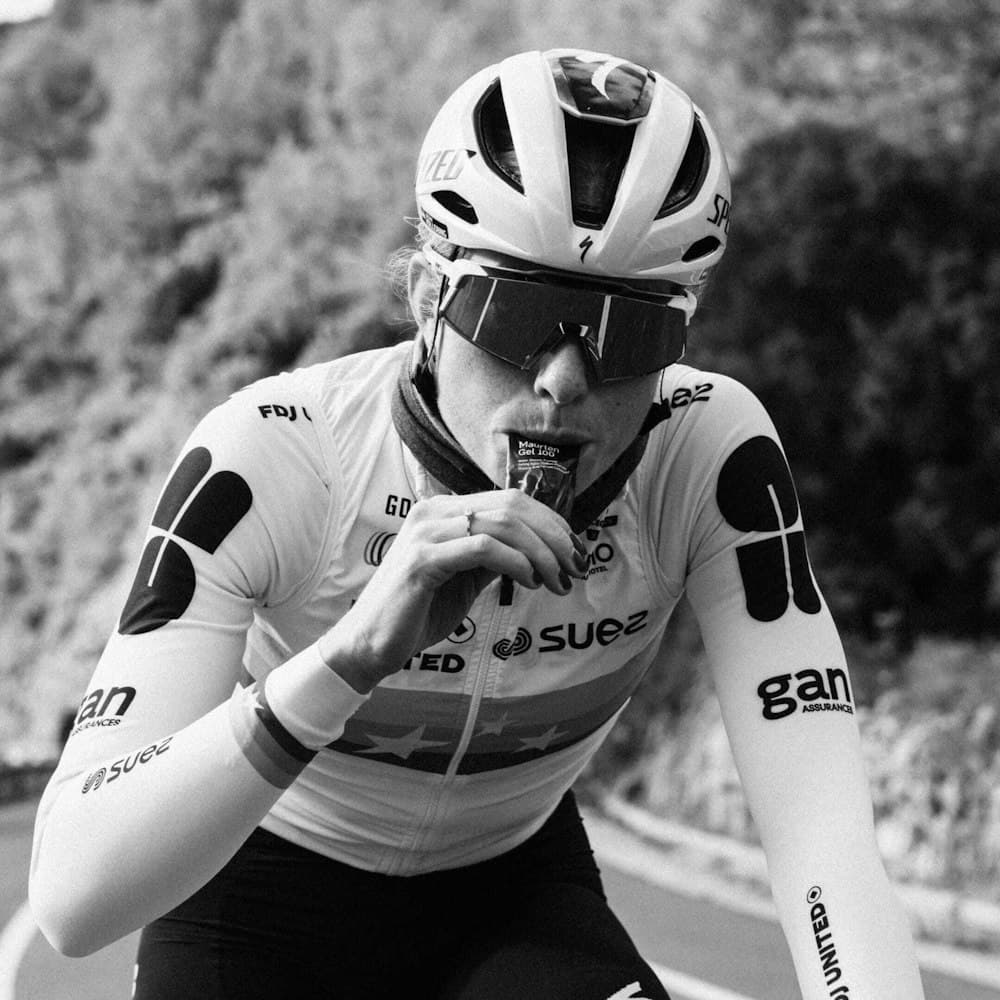
- Two to four gels or equivalent fueling for the bike and run, sized to your gut tolerance.
- A transition mat or towel. Saves your bare feet from hot pavement and gives you a visual marker in the rack.
The four optional items
- A wetsuit. Useful for races with water under 70 degrees Fahrenheit. Check the race's wetsuit-legal cutoff. If your race is always wetsuit-illegal, a swim skin is the warm-water equivalent and is also optional.
- Aero bars. Useful for Olympic-distance and longer if you can hold the position comfortably. Skip for sprint racing.
- A GPS watch with multisport mode. Convenience feature, not a performance one for first-timers.
- A bike computer. Same logic as the watch. Many newer GPS watches replace this for short-course racing.
The order to buy in
If budget is tight and you cannot buy everything before your first race, here is the order that matters:
- Tri suit, goggles, helmet, running shoes you already own. Non-negotiable for race day.
- Bike fit on the bike you have. Better fit on a $1500 bike beats poor fit on a $5000 bike.
- Cycling shoes and matched pedals if you don't have them. Adds 1 to 3 minutes per 40K bike leg compared to flat pedals for most riders.
- Race belt, body glide, electrolytes for the bike. Small money, big quality-of-life win.
- Wetsuit, aero bars, GPS watch. Nice to have. Not first-race-essential.
What people overspend on
First-timers consistently overspend on the bike and underspend on bike fit, run shoes, and goggles. The marketing makes it feel like the bike is the equalizer. It is not. A reasonably fitted entry road bike with practiced gear changes will beat an ill-fitting tri bike with stock components ridden by someone who hasn't trained in their tri-specific position.
Spend on what you actually train and race in. The rest can wait until your second or third season when you know what is missing from your current setup.
More from the Journal