





























Size Guide
running fit.
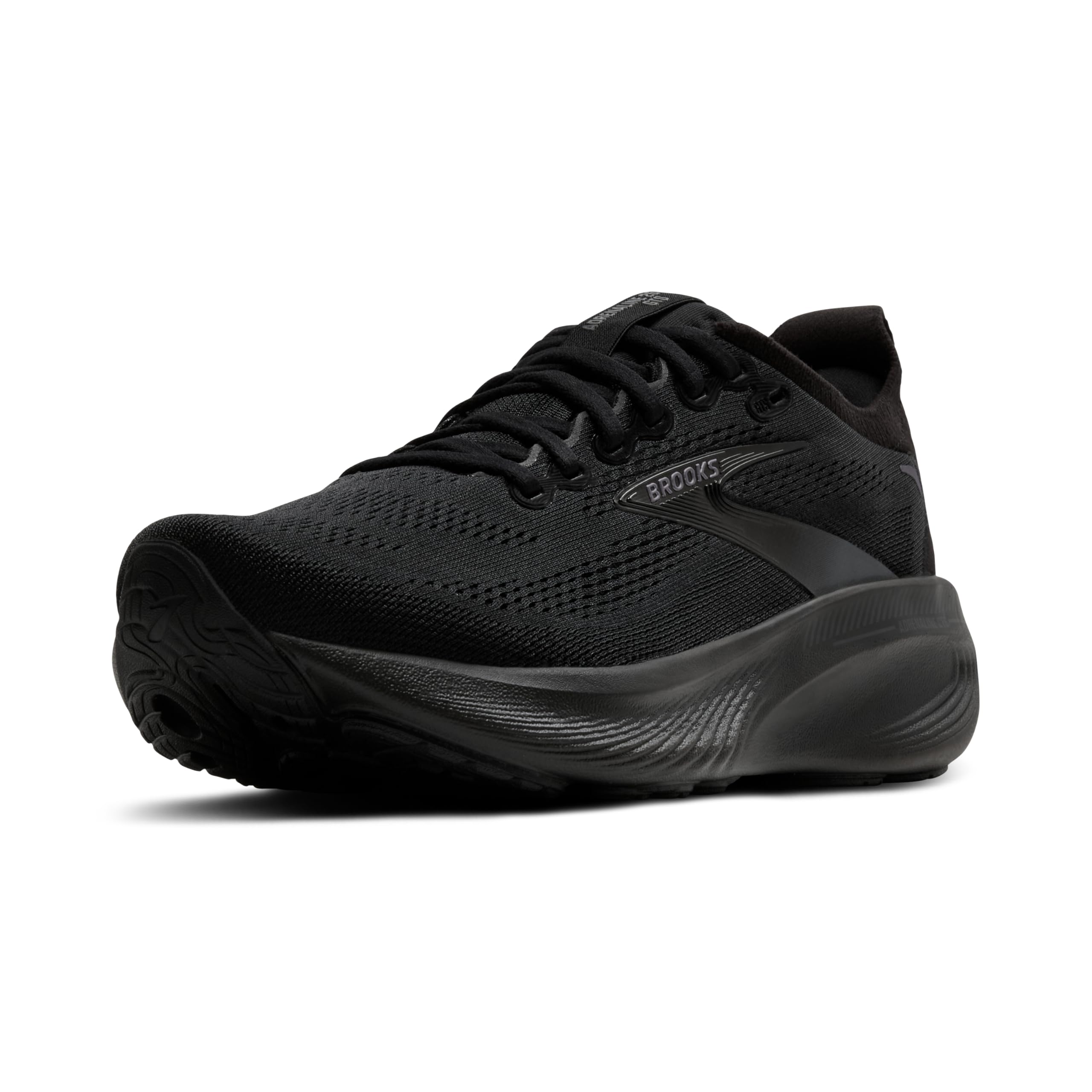
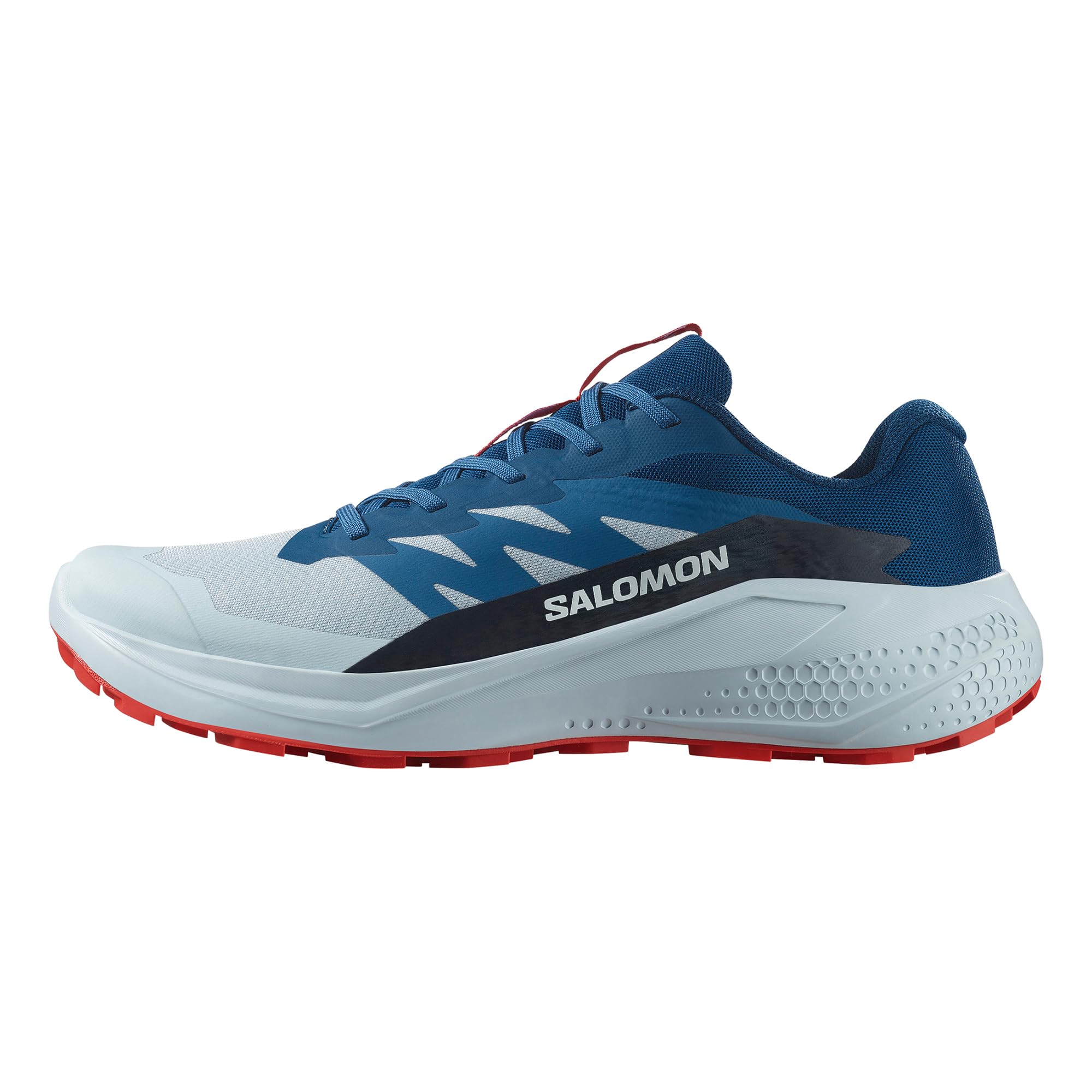
Running shoes are the most consequential gear decision in the sport. Measure your foot in the evening (feet swell) and plan for a half-size up from your street shoe — your toe should have a thumb-width of room. Apparel runs true to standard activewear sizing.
Apparel
| Size | Chest (in) | Waist (in) |
|---|---|---|
| XS | 32–34 | 26–28 |
| S | 35–37 | 29–31 |
| M | 38–40 | 32–34 |
| L | 41–43 | 35–37 |
| XL | 44–46 | 38–40 |
| XXL | 47–49 | 41–43 |
Shoe length
Measure foot length end-to-end at the end of the day. Subtract 0 — running shoes need that extra room.
| US (men) | US (women) | Foot length |
|---|---|---|
| 7 | 8.5 | 9.6 in / 24.4 cm |
| 8 | 9.5 | 10.0 in / 25.4 cm |
| 9 | 10.5 | 10.4 in / 26.4 cm |
| 10 | 11.5 | 10.8 in / 27.4 cm |
| 11 | 12.5 | 11.1 in / 28.3 cm |
| 12 | 13.5 | 11.5 in / 29.2 cm |
| 13 | 14.5 | 11.9 in / 30.2 cm |
Fit notes
- Replace shoes every 300–500 miles. After that the foam compresses past the point of useful return and injury risk climbs.
- Wide foot? Look for "2E" (men) or "D" (women) widths. Brooks, New Balance, and Hoka offer the most width options. Nike runs narrow.
- Race-day shoes (carbon-plated supershoes) are sized differently — order by your daily-trainer size; the foam compression is similar.
Between sizes? Email support@victory-theory.com or call (323) 417-5345. A real athlete answers.